Falange: The Display Typeface That Commands Attention
Some typefaces whisper. Others politely suggest. Then there are fonts like Falange, which stride into the room and make an entrance you simply cannot ignore. If you've been scrolling through endless libraries of premium fonts searching for something with genuine personality, something that feels alive and slightly unsettling in the best possible way, Falange deserves a closer look. This isn't your everyday serif font or safe sans serif font. It's a display font with a distinctly eerie, elongated character that evokes cobwebs, candlelight, and the kind of atmosphere you'd find in a gothic novel or a haunted attraction. But here's the thing: its appeal stretches far beyond October. Designers, content creators, and small business owners are discovering that Falange brings a level of visual intrigue to projects that most typography simply cannot achieve.
A Typeface With a Genuinely Eerie Personality
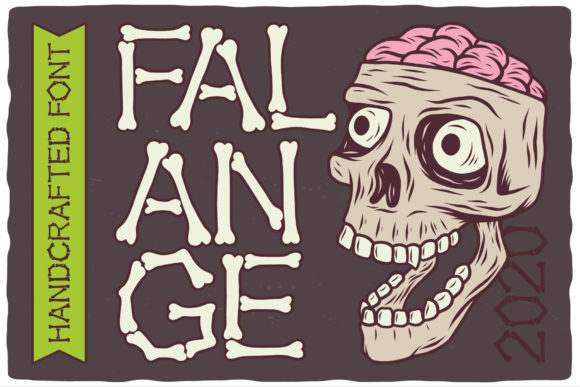
What makes Falange so visually compelling? At first glance, you'll notice its tall, narrow letterforms and sharp, almost skeletal strokes. The characters have an organic, slightly distorted quality, as if they were etched by hand into an old stone wall or scratched onto parchment with a trembling quill. There's a tension in its design, a balance between elegance and unease, that makes it feel simultaneously refined and unsettling. This isn't a script font trying to look spooky with exaggerated drips or cartoonish effects. Falange achieves its mood through subtlety: the spacing, the weight distribution, the way certain letter combinations seem to lean toward each other like conspirators sharing a secret.
For anyone working on Halloween-themed projects, the connection is obvious. Party invitations, haunted house promotional posters, themed merchandise, and seasonal social media campaigns all benefit from a typeface that immediately signals "this is not your ordinary event." But Falange's creepy elegance also lends itself to horror branding, dark fantasy book covers, gothic jewelry packaging, and any creative project where you want to evoke mystery, the supernatural, or a vintage macabre aesthetic. It's a creative font that does heavy atmospheric lifting without requiring elaborate graphic design around it.
Practical Applications That Go Beyond Seasonal Gimmicks
One of the most common mistakes designers make with a typeface like Falange is relegating it to a single use case. Yes, it's spectacular for Halloween party invitations and spooky event flyers. But thinking of it only as a seasonal novelty underestimates its versatility. Here's where Falange genuinely shines across different project types:
- Logo design for brands that embrace dark, alternative, or vintage aesthetics. Think tattoo studios, horror podcasts, craft distilleries with a gothic brand identity, or indie record labels specializing in metal and darkwave.
- Packaging design for artisanal products that want to convey mystery or old-world craftsmanship. Small-batch absinthe, apothecary-style candles, handcrafted chocolate with unusual flavor profiles, or specialty tea brands with a moody visual identity.
- Social media graphics that need to stop the scroll. A single word set in Falange against a dark, textured background can generate more engagement than a paragraph of content in a generic modern typography style.
- Editorial design for magazine features, album liner notes, or book chapter headings that explore themes of horror, mystery, or the occult.
- Poster design for theatrical productions, film screenings, gallery exhibitions, or music events where the visual language needs to match a darker creative direction.
- Web design for landing pages and headers where a dramatic display typeface sets the tone before a visitor reads a single line of body copy.
- Digital products like printable wall art, themed planners, or desktop wallpapers marketed to fans of gothic and alternative aesthetics.
- Merchandise including t-shirts, enamel pins, stickers, and tote bags where the typography itself becomes the central design element.
The key insight is that Falange works wherever atmosphere matters more than information density. It's a headline font, a statement font, a mood-setting font. It's not designed for body text or lengthy paragraphs, and recognizing that distinction is what separates thoughtful typography choices from haphazard ones.
Pairing Falange With Other Typefaces
Every strong display font needs a reliable partner. Because Falange is so visually distinctive, it pairs best with simpler, cleaner typefaces that provide contrast without competing for attention. A straightforward sans serif font for body copy creates a natural hierarchy: Falange draws the eye for headlines and key phrases, while the companion font handles the readable details.
For a slightly warmer, more organic pairing, consider a clean handwritten font with moderate legibility. This combination works beautifully for invitation suites, menu designs, and branded materials for businesses with a handcrafted identity. The handwritten element softens Falange's intensity while the display typeface anchors the overall design with its unmistakable presence.
When testing font pairings, always preview them at the actual size they'll appear in your final design. A combination that looks balanced on your screen at 200% zoom might feel completely different on a printed poster or a mobile phone screen. Pay attention to the visual weight of each typeface. Falange has a strong presence, so your secondary font should feel lighter and more restrained by comparison. This contrast creates a clear visual hierarchy that guides your audience through the content exactly the way you intend.
Readability and Licensing Considerations
Let's address something practical. Falange is a display typeface, which means it's optimized for impact at larger sizes, not for sustained reading. Use it generously for titles, headers, pull quotes, and short phrases. Avoid setting entire sentences or paragraphs in it, especially at small sizes, where its intricate character details can become difficult to parse. Good design is about matching the right tool to the right job, and Falange's job is to create atmosphere and command attention, not to deliver dense information.
Before using any commercial font in client work or products you plan to sell, always verify the licensing terms. Reputable font designers and foundries provide clear information about what's permitted under their licenses. Some licenses cover personal use only, while others allow commercial applications across print, digital, and merchandise. If you're a brand strategist or marketing professional incorporating Falange into a client's brand identity, confirm that the license covers the intended scope of use. This isn't just about legal compliance; it's about respecting the craft of the type designers who create the design assets we rely on.
Making Falange Work for Your Creative Vision
The most effective use of any distinctive typeface comes from understanding what it communicates emotionally and matching that to your project's goals. Falange speaks a language of mystery, drama, and dark elegance. If your brand or project aligns with those qualities, it can become a powerful element of your visual communication strategy. It can strengthen brand recognition by giving your audience something visually memorable, something that feels different from the sea of interchangeable fonts flooding their feeds every day.
Start by experimenting. Set your project's key headline or brand name in Falange and see how it feels. Does it capture the mood you're after? Does it complement the other visual elements in your design, your color palette, your imagery, your overall aesthetic? Typography doesn't exist in isolation. It's part of a larger visual conversation, and the best results come from treating it as an integral part of your creative process rather than an afterthought.
Whether you're designing a one-off Halloween event poster or building a long-term brand identity for a business that thrives on mystery and atmosphere, Falange offers something genuinely rare: a typeface with enough character to become iconic, yet versatile enough to serve real creative and commercial purposes. Give it space to breathe, pair it thoughtfully, and let it do what it does best, which is making people look twice.