Bokolono: The Modern Display Font for Bold Visual Statements
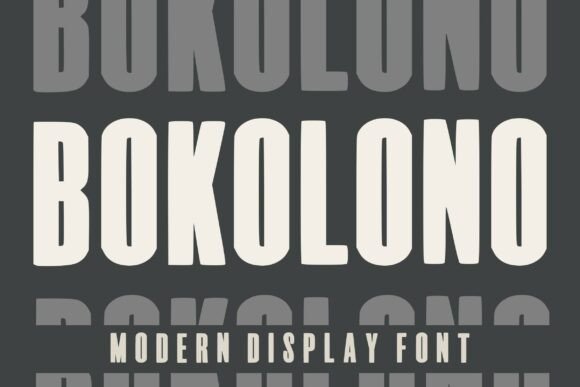
There’s a moment in every design project when the typeface either elevates the work or quietly undermines it. You’ve seen it before—a beautifully crafted logo that feels off because the letters don’t carry the right weight, or a social media post that blends into the noise because the typography lacks presence. That’s where a font like Bokolono enters the conversation. It’s not trying to be everything to everyone. Instead, it leans into a specific, confident identity: tall, condensed, clean, and unapologetically modern. If your work demands attention without shouting, this typeface deserves a closer look.
What Makes Bokolono Stand Out in a Crowded Font Market
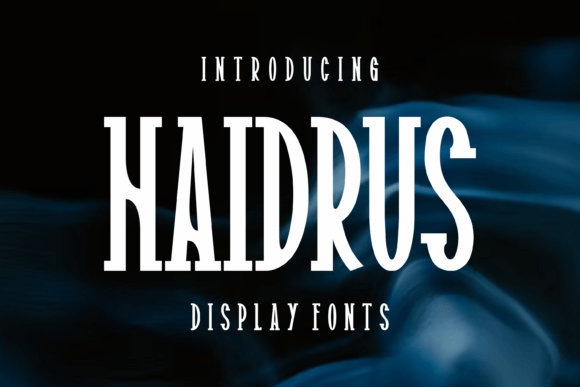
At first glance, Bokolono is striking because of its proportions. The letterforms are condensed and tall, which means they occupy vertical space efficiently. This isn’t a sprawling, airy typeface that needs room to breathe. It’s designed for environments where space is at a premium but impact can’t be sacrificed. Think of a billboard viewed from a highway, a magazine cover competing for attention on a rack, or a mobile screen where every pixel counts. The condensed structure lets you fit more text into tight layouts without shrinking the font size, which is a practical advantage many designers overlook until they’re wrestling with a layout constraint.
The clean contemporary style is another key trait. Bokolono doesn’t rely on decorative flourishes or retro nostalgia to make its point. Instead, it uses sharp geometry, consistent stroke widths, and minimal contrast to create a sleek, almost architectural feel. This makes it versatile across industries—from tech startups to fashion brands, from fitness studios to editorial publications. It reads as current without being trendy, which means it won’t feel dated in two years when design cycles inevitably shift.
Where This Typeface Truly Shines: Real-World Applications
Let’s talk about where Bokolono actually works, because a font’s value is only as good as the projects it serves. If you’re building a brand identity, this typeface can anchor your visual system with a strong, recognizable wordmark. Its bold personality ensures your name is remembered, whether it’s printed on a business card or displayed on a website header. For logo design, the condensed letterforms create a compact, balanced mark that scales well from favicon size to storefront signage.
Packaging designers will appreciate how Bokolono handles product names and taglines on labels, boxes, and bags. The tall proportions give text a premium, editorial quality that suggests confidence and intentionality. On social media graphics, where you have roughly two seconds to stop someone from scrolling, the font’s visual weight does the heavy lifting. Pair it with a bold color palette or a striking photograph, and you’ve got a post that earns engagement rather than begging for it.
For editorial layouts—magazines, lookbooks, annual reports—Bokolono works beautifully as a headline or pull-quote font. It creates hierarchy instantly, drawing the reader’s eye to the most important text on the page. Web designers can use it for hero sections, landing page titles, and call-to-action headers where conversion depends on clarity and impact. Even merchandise like t-shirts, tote bags, and posters benefit from its bold, clean aesthetic. It’s the kind of typeface that looks just as good embroidered on a cap as it does screen-printed on a hoodie.
Pairing Bokolono with Other Fonts for Balanced Typography
No typeface works in isolation, and Bokolono is no exception. Because it’s a display font with strong visual personality, it pairs best with simpler, more neutral companions. A clean sans serif font for body text creates a natural contrast—the display font grabs attention while the supporting type stays out of the way. If your brand leans more editorial or literary, consider pairing it with a classic serif font for a sophisticated, high-contrast combination.
The key is to avoid competing personalities. If you pair Bokolono with another bold, condensed typeface, the result feels chaotic rather than intentional. Instead, let it be the loudest voice in the room and surround it with quieter, more readable options. Test your pairings in context—mock up a social media post, a website header, or a product label before committing. Typography that looks great in a specimen sheet can behave differently when layered with images, colors, and real content.
Readability is another consideration that deserves honest attention. Bokolono is designed for headlines and display use, not for long-form body copy. Its condensed structure, while visually efficient, can become difficult to read at small sizes or in lengthy paragraphs. Use it where it excels—short, high-impact text—and choose a more traditional typeface for anything that requires sustained reading. This isn’t a limitation; it’s smart design practice. Every font has a sweet spot, and knowing where yours performs best is what separates polished work from amateur experimentation.
Licensing, File Formats, and the Practical Side of Choosing a Premium Font
Before you commit to any commercial font, including Bokolono, take a few minutes to understand the licensing terms. Most premium fonts come with clear guidelines about what’s covered—a standard license typically includes use on personal projects, client work, websites, and printed materials. Some licenses distinguish between desktop use, web use (via @font-face or services like Google Fonts alternatives), and app embedding. If you’re a freelancer working across multiple clients, make sure the license covers commercial use for third-party projects. If you’re a business purchasing for internal branding, confirm the license allows for the number of users or devices in your team.
It’s also worth reviewing what’s included in the font package. Does Bokolono come with multiple weights or styles? Many display fonts offer a regular and a bold version, sometimes with italic variants or alternate characters. Knowing what’s available helps you plan your font pairing strategy and ensures you have enough flexibility to create visual variety without introducing inconsistency. If the font includes OpenType features like ligatures, stylistic alternates, or numeral variations, explore them. These details can elevate your typography from competent to distinctive.
File formats matter too. Most designers need .OTF or .TTF files for desktop applications and .WOFF or .WOFF2 for web projects. Confirm that the download includes the formats you need so you’re not scrambling to convert files later. A well-organized design asset saves time and reduces friction in your workflow, which is exactly what you want when you’re juggling multiple projects or deadlines.
Matching Typography to Your Brand’s Voice and Goals
Choosing a font isn’t just an aesthetic decision—it’s a strategic one. The typography you select communicates tone, values, and personality before a single word is read. Bokolono’s bold, modern character suggests confidence, clarity, and forward momentum. It’s a natural fit for brands that want to appear innovative, energetic, or authoritative. A fitness brand, a creative agency, a tech startup, or an independent fashion label could all use this typeface to reinforce their positioning without relying on overused trends.
That said, context matters. If your brand identity is rooted in warmth, tradition, or handcrafted charm, a bold condensed display font might not align with your story. A handwritten font or a script font could serve you better for certain applications. The best modern typography choices are those that feel inevitable—where the font and the brand seem like they were made for each other. Take the time to articulate what your brand sounds like, what it values, and who it’s speaking to. Then evaluate whether Bokolono reinforces that message or introduces noise.
For digital products like e-books, online courses, or downloadable templates, typography consistency is especially important. Using Bokolono across your cover designs, section headers, and promotional graphics creates a cohesive visual experience that builds trust with your audience. People notice when things feel intentional, even if they can’t articulate why. That’s the quiet power of strong typographic choices—they make your work feel professional, credible, and worth paying attention to.
A Final Thought on Making Bold Typographic Choices
Fonts are tools, not decorations. The best ones solve specific problems—capturing attention, establishing hierarchy, reinforcing a brand’s voice, or creating emotional resonance. Bokolono solves the problem of presence. In a landscape where every brand, creator, and business is competing for visual space, having a typeface that commands attention without resorting to gimmicks is genuinely valuable. Whether you’re designing a poster for a local event, building a brand identity for a new client, or crafting social media graphics that need to perform, it’s the kind of creative font that earns its place in your toolkit. Test it in your next project, pair it thoughtfully, and see if its bold, clean energy matches the story you’re trying to tell.