Bring a Raw Edge to Your Brand with About Sweet Memories Font
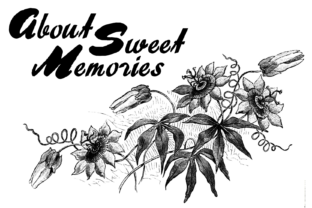
You know that feeling when a design looks a little too perfect? Everything is aligned, the kerning is flawless, and the vectors are mathematically precise, but it feels cold. It lacks the energy of a human hand. In a digital landscape saturated with smooth, sterile sans-serifs and predictable corporate typefaces, there is a growing hunger for texture, grit, and authenticity. Enter About Sweet Memories, a rough display font that acts as a visual antidote to the overly polished designs we see every day. It doesn’t just sit quietly on the page; it demands attention with a striking, imperfect aesthetic that feels alive and tactile.
If you are a designer, entrepreneur, or content creator looking to break the mold, this typeface offers a distinct personality that standard fonts simply cannot replicate.
The Power of the "Rough" Aesthetic
Why choose a rough display font? In design psychology, texture implies effort, history, and craftsmanship. When you use a typeface like About Sweet Memories, you are borrowing the visual language of hand-painted signage, vintage letterpress printing, and artisanal craftsmanship. It signals to your audience that there is a story behind the words.
This isn't about being messy; it is about being intentional with imperfection. The distressed edges and raw strokes of this font create a tactile quality that engages the viewer's eye. It works exceptionally well for brands that want to appear approachable, edgy, or heritage-focused. Whether you are designing a logo for a craft brewery, a header for an independent fashion label, or graphics for a music festival, the visual weight of this typeface grounds your design in reality.
Practical Applications: Where Grit Meets Strategy
Understanding where to deploy a font like About Sweet Memories is just as important as liking how it looks. Because it is a display typeface, it is designed for impact, not for body copy. Here is how you can integrate it into various projects to maximize its potential:
- Branding and Logo Design: If you want your brand to stand out on a crowded shelf or a busy Instagram feed, use this font for your wordmark. Its unique character ensures that your name is memorable. It pairs beautifully with minimalist logos that need a text element with some "bite."
- Packaging Design: Think about coffee bags, craft beer labels, or organic skincare products. Consumers associate rough textures with natural, high-quality ingredients. Using a premium font with a distressed finish reinforces the value of the product inside.
- Merchandise and Apparel: Streetwear, band tees, and tote bags thrive on typography that looks like it was screen-printed by hand. The rough edges of the letters mimic ink bleed, giving your merchandise an instant vintage vibe.
- Posters and Event Graphics: For concerts, art shows, or pop-up markets, you need typography that screams from a distance. This display font grabs attention immediately, making it ideal for headlines and event titles.
- Digital Products and Social Media: In the world of digital downloads and social media graphics, stopping the scroll is everything. A striking font style breaks the visual monotony of the feed. Use it for Instagram story headers, YouTube thumbnails, or the cover art of an eBook to promise high-value content inside.
Building a Visual System: Pairing and Hierarchy
One of the most common mistakes in typography is using a single "cool" font for everything. A rough display font is powerful, but it needs a partner to do the heavy lifting of readability. When working with About Sweet Memories, you must consider font pairing.
Because the display font is textured and bold, it pairs best with clean, simple typefaces. Consider combining it with a modern sans-serif or a classic serif font for your body text. The contrast between the rough headline and the clean body copy creates a professional hierarchy. This ensures your design looks polished and intentional rather than chaotic.
For example, imagine a website landing page. The main headline—"Artisanal Goods for the Modern Home"—is set in About Sweet Memories. The paragraph text explaining the product details is set in a clean, legible sans-serif like Montserrat or Lato. The headline draws the user in, and the body text closes the deal. This balance is crucial for maintaining readability while retaining a creative edge.
Technical Considerations for Maximum Impact
Before you finalize your design, there are a few practical steps to ensure the typeface performs well across different mediums. First, pay attention to sizing. Rough display fonts often lose their character if they are scaled down too small. The distressed details can become muddy or look like printing errors at small sizes. Always use this font at larger sizes where the texture can be appreciated.
Second, check the font styles included in the package. Does it come with alternate characters, ligatures, or different weights? Utilizing these variations can help you customize the look further, ensuring your brand identity is truly unique. If the font includes a bold or italic variation, test how those interact with your layout.
Finally, consider the color contrast. A textured font interacts with the background differently than a solid vector shape. High-contrast color schemes (like white text on a dark background or vice versa) usually work best to ensure the edges of the letters remain crisp and legible.
Commercial Viability and Licensing
For small business owners and entrepreneurs, the legal side of design assets is non-negotiable. When downloading a premium font like About Sweet Memories, you must review the licensing terms. Most standard licenses cover desktop use for things like logos and print materials. However, if you plan to use the font on a high-traffic website via CSS, create digital products for sale (like PDF workbooks), or use it in app development, you may need an extended license.
Always read the End User License Agreement (EULA) before purchasing. Ensuring you have the correct commercial license protects your business from legal headaches down the road and supports the type designers who create these tools.
Final Thoughts on Visual Communication
Typography is the voice of your brand. While clean fonts whisper professionalism, a rough display font shouts character. About Sweet Memories offers a specific flavor of authenticity that is hard to fake. It bridges the gap between digital precision and analog warmth, making it a versatile tool for anyone looking to inject personality into their work.
Whether you are launching a new startup, rebranding a small business, or simply creating a striking poster for a local event, don't be afraid to get a little rough. By balancing this creative font with strategic design principles, you can create visual assets that not only look great but also resonate deeply with your audience.