Casual Scribble: A Font That Feels Like a Friendly Doodle
There's something instantly magnetic about a design that doesn't try too hard. It feels approachable, human, and real. In a landscape saturated with sleek, sterile fonts, a typeface with genuine personality can stop a scrolling thumb or make a customer pick up a product. This is the space where Casual Scribble lives—a charming, playful display font with a hand-drawn personality and a touch of quirky fun. It’s not just letters on a page; it’s a vibe, a feeling of carefree creativity that can transform a project from forgettable to fantastic.
More Than Just a Handwritten Font
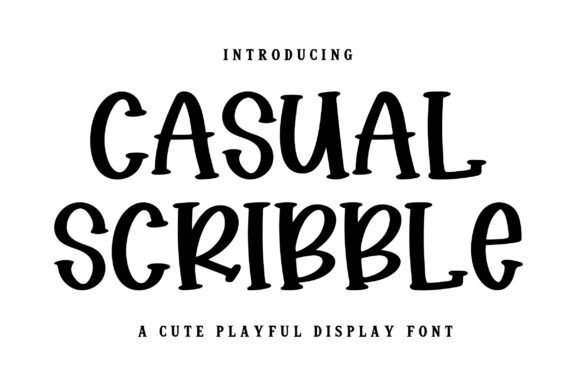
At its core, Casual Scribble is a display font, designed to make a statement. But it’s a specific kind of statement. Forget the rigid precision of a sans serif font or the formal elegance of a serif font. This typeface captures the energy of a quick sketch in a notebook. Its bold, rounded strokes feel confident, while the uneven curves and slightly whimsical flow give it a dynamic, living quality. Every letter feels unique, as if it were drawn just for that word. This organic, imperfect quality is its greatest strength—it communicates authenticity and approachability.
Think about the brands you love that feel "human." They often use design elements that mirror imperfection. A handwritten font like Casual Scribble does exactly that. It’s a premium font that serves as a direct line to emotion, making it a powerful tool for anyone looking to build a genuine connection with their audience.
Where This Creative Font Truly Shines
The practical applications for a font with this much character are surprisingly wide-ranging. It’s a versatile player in your design assets toolkit, suited for both digital and physical projects. Let's break down where its playful energy can have the most impact.
- Branding and Logo Design: For a small business, a craft brand, a children's clothing line, or a local café, a logo sets the tone. Using Casual Scribble in your logo design immediately signals creativity, friendliness, and a hands-on approach. It’s perfect for a brand identity that wants to feel welcoming and fun rather than corporate.
- Packaging Design: On a shelf, packaging has about three seconds to tell a story. This font can make a product stand out. Imagine it on a bag of artisan coffee, a jar of homemade jam, or a box of craft supplies. It communicates "made with care" and "not mass-produced."
- Social Media Graphics and Web Design: In the fast-scrolling world of Instagram, TikTok, or Pinterest, visuals need to grab attention instantly. Casual Scribble is ideal for quotes, announcements, sale graphics, and story overlays. It adds a layer of personality that generic system fonts can't match, boosting audience engagement. On a website, use it for headlines or call-to-action buttons to inject a dose of charm, but pair it carefully with a highly readable sans serif font for body text.
- Print Materials and Posters: Flyers for a community event, posters for a local band, menus for a pop-up restaurant, or invitations for a birthday party—these all benefit from a font that feels celebratory and personal. It sets a mood before a single word is read.
- Merchandise and Editorial Layouts: Think t-shirts, tote bags, mugs, and stickers. The doodle-like aesthetic of this creative font is perfect for merchandise that people want to wear or use. In editorial design, like a magazine feature or a blog header, it can break the monotony of standard text layouts and draw the reader into a specific section.
Practical Advice for Using a Playful Typeface
Choosing a font is one thing; using it effectively is another. Here’s how to get the most out of a display font like Casual Scribble without sacrificing readability or professional presentation.
1. Context is King. Match the font’s personality to your project’s goal. Is your project meant to be joyful, informal, and energetic? Perfect. Is it a legal document, a financial report, or a medical brochure? Then this is not the right tool. Choosing the right font style is about aligning typography with intent.
2. Master the Art of Font Pairing. A display font rarely works alone for large blocks of text. The key to visual consistency and readability is pairing it with a neutral, clean counterpart. For example:
- Use Casual Scribble for a main headline or a logo.
- Pair it with a classic, easy-to-read sans serif font (like Open Sans, Lato, or Montserrat) for subheadings and body copy.
- This creates a clear hierarchy that guides the viewer’s eye and keeps the design balanced.
3. Test for Readability. Always test your design at the size it will be viewed. A whimsical font can become hard to read if used too small or in long sentences. It’s designed for impact, not for reading a novel. Use it for short, punchy phrases.
4. Explore the Alternates. A major advantage of a premium font like this is that it’s PUA-encoded. This means all the extra glyphs, stylistic alternates, and decorative characters are easily accessible in any standard design software. Don’t just type with the default letters. Swap out a capital "A" or a lowercase "g" for a different version to add a custom, hand-crafted feel to your words. This is how you truly add your own creative flair.
5. Check Your License. Before using any font for a commercial project—a logo for a client, merchandise for sale, or a website for your business—always verify the licensing. Ensure the commercial font license covers your intended use to avoid legal headaches down the road. Reputable font providers are clear about their terms.
In the end, typography is a silent ambassador for your message. A font like Casual Scribble doesn’t just display words; it conveys a feeling of joy, creativity, and approachability. By using it strategically and pairing it wisely, you can create designs that don’t just look good, but feel genuinely engaging, helping your brand or project connect on a more human level.