Maple Honey: The Chunky Display Font That Feels Like a Warm Hug
There’s a certain kind of warmth that radiates from a design when the typography just clicks. It’s not always about the most intricate script or the sleekest modern sans serif; sometimes, it’s about a font that feels approachable, genuine, and full of character. That’s the quiet power of Maple Honey. This isn’t a typeface that tries to be everything to everyone. Instead, it leans into a friendly, chunky display style that immediately puts viewers at ease, making it a surprisingly versatile tool for creators who want their work to feel both professional and personal.
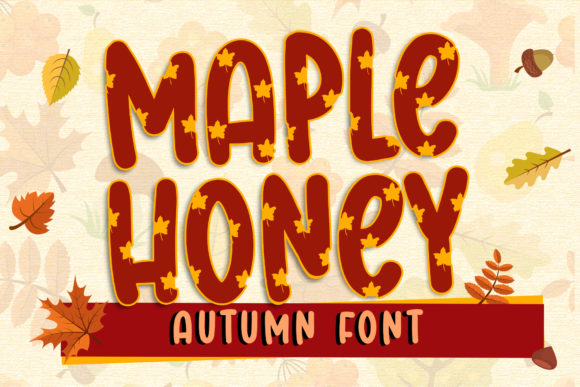
At its core, Maple Honey is a bold, rounded display font. Its letters have a substantial, almost hand-crafted quality, with soft edges and a consistent weight that avoids feeling heavy or clunky. Think of the sturdy, welcoming lettering you might see on a artisanal jam label, a cozy café menu, or a community poster. That’s the visual language Maple Honey speaks. It carries a sense of nostalgia and trustworthiness without leaning into overly retro or childish territory. This balance is its secret weapon. It’s modern enough for digital applications yet has the tactile warmth that works beautifully in print, bridging a gap that many fonts struggle to navigate.
Where This Friendly Typeface Truly Shines
The real magic of a font like Maple Honey is discovered when you move beyond theory and into practical application. Its strength lies in projects where you want to communicate clarity, approachability, and a touch of personality. Consider these real-world scenarios where its character becomes a genuine asset.
- Branding and Logo Design: For small businesses, especially in the food, lifestyle, craft, or wellness sectors, Maple Honey can become the cornerstone of a brand identity. It’s perfect for a bakery’s logo, a handmade soap company’s wordmark, or the header for a local farm’s website. It tells customers, “We’re friendly, we care about quality, and we’re here to help.”
- Packaging Design: On a shelf crowded with minimalist, sterile designs, a product using Maple Honey stands out by feeling human. It’s ideal for product names, flavor descriptions, or callouts on packaging for gourmet foods, beverages, candles, or any product that benefits from a handmade, artisanal vibe.
- Social Media and Digital Content: In the fast-scrolling world of Instagram, Facebook, or Pinterest, a bold, friendly font grabs attention. Use it for impactful quote graphics, sale announcements, podcast titles, or YouTube thumbnails. Its readability at larger sizes ensures your message is clear even on a small screen.
- Print Materials and Merchandise: From farmers' market posters and event flyers to tote bag designs and mug prints, Maple Honey translates beautifully to physical items. Its chunky style ensures legibility from a distance, making it great for signage, and its friendly aesthetic makes merchandise feel more like a gift than an advertisement.
- Editorial and Web Design: While not for body text, it’s a fantastic choice for pull quotes, section headers, or featured article titles on a blog or website. Paired with a clean sans serif for paragraphs, it creates a dynamic and engaging reading experience that guides the eye.
More Than Just a Pretty Face: The Strategic Benefits
Choosing a font is a strategic decision, not just an aesthetic one. Maple Honey offers several tangible benefits that can elevate your project’s effectiveness.
Visual Consistency and Brand Recognition: When you use a distinctive yet versatile typeface like Maple Honey across all your touchpoints—from your website to your invoices to your Instagram Stories—you create a cohesive visual language. Customers start to recognize your brand’s “voice” before they even read the words, building subconscious familiarity and trust.
Readability in the Right Context: As a display font, Maple Honey excels at grabbing attention and conveying a message quickly. Its clear, chunky letterforms are highly legible at larger sizes, which is exactly what you need for headlines, logos, and calls to action. The key is using it appropriately; it’s not meant for long paragraphs of text, but for the moments that need to pop.
Professional Presentation with Personality: The challenge for many small businesses and creators is looking polished without appearing cold or corporate. Maple Honey solves this. It injects personality and warmth into professional materials, helping you stand out in a crowded market while still maintaining a high-quality appearance.
Making Maple Honey Work for You: Practical Tips
Integrating a new font into your workflow is about more than just installation. Here’s how to get the most out of this creative asset.
- Understand Its Personality: Before you start, ask yourself: Does the friendly, approachable vibe of Maple Honey align with my project’s goals? It’s perfect for a children’s charity event or a local coffee roaster, but might not be the right fit for a cutting-edge tech startup or a luxury law firm. Match the font’s personality to your brand’s.
- Master Font Pairing: The best designs often use two or three fonts. Pair Maple Honey with a simple, neutral sans serif (like Open Sans, Lato, or Montserrat) for body text. This contrast allows the display font to headline without overwhelming the reader. For a different feel, try pairing it with a subtle, clean serif for a more editorial look.
- Test for Readability: Always test your designs at the size they’ll be viewed. A headline on a website poster will be seen differently than text on a business card. Ensure the letter spacing and size are optimized for clarity in each context.
- Explore the Included Styles: Check what’s included with your font license. Many premium display fonts come with multiple weights (like Regular and Bold) or stylistic alternates (different versions of certain letters). These extras give you more creative control and help maintain consistency while adding subtle variety.
- Respect the License: If you’re using Maple Honey for commercial projects (client work, merchandise for sale, etc.), ensure you have the correct commercial license. This is a standard practice that supports font designers and protects your business. Review the license details to understand what’s permitted.
Finding the right typeface is like finding a collaborator who understands your vision. Maple Honey, with its chunky, friendly demeanor, offers a unique blend of charm and functionality. It’s a design asset that doesn’t just sit on the page; it communicates a feeling. By thoughtfully integrating it into your projects, you can create visuals that are not only beautiful and consistent but also genuinely connect with your audience, turning viewers into customers and customers into advocates.