Chonk: The Bold Handwritten Font That Brings Joy to Every Design
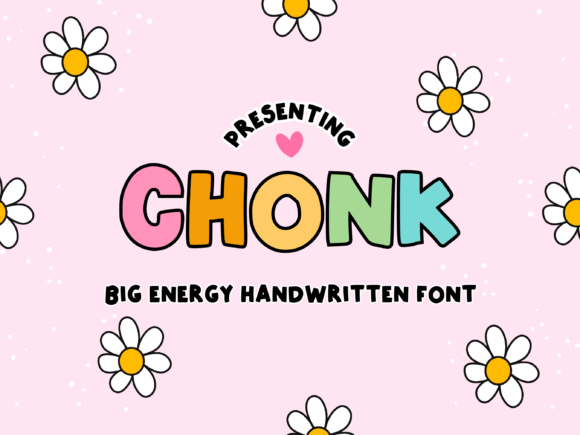
There's something undeniably magnetic about a font that makes you smile before you even read the words. That's exactly the kind of energy Chonk brings to the table—a bold handwritten display typeface with chunky letterforms and an infectious sense of playfulness. If you've ever struggled to find a font that feels genuinely fun without sacrificing personality or versatility, this one deserves a closer look.
Why Chonk Stands Out in a Crowded Font Market
Most handwritten fonts fall into one of two camps: either they're too delicate and hard to read at larger sizes, or they lean so far into casual territory that they feel unpolished. Chonk sidesteps both pitfalls beautifully. The letters are thick, rounded, and full of character—think of a friendly cartoon title sequence or the kind of lettering you'd see on a beloved children's book cover. But there's enough intentional design behind each glyph that it doesn't look sloppy or amateurish.
The weight and presence of this typeface make it especially effective when you need text to command attention quickly. Display fonts live or die by their ability to grab eyeballs, and Chonk does this effortlessly. The chunky strokes give each letter a tactile, almost three-dimensional quality that pops off both screens and printed materials. Whether you're designing a logo for a bakery, creating sticker sheets for an Etsy shop, or putting together social media posts for a kids' brand, the visual impact is immediate and memorable.
Practical Applications Across Creative Projects
One of the strongest qualities of a well-crafted display typeface is versatility across different project types. Chonk lends itself naturally to a wide range of applications, and understanding where it shines brightest can help you make smarter design decisions.
Logo Design and Brand Identity — For brands targeting families, children, food and beverage, entertainment, or any market that values warmth and approachability, this font offers an instant personality injection. A logo set in Chonk communicates friendliness and confidence without feeling corporate or cold. It pairs surprisingly well with clean sans serif fonts for body text, creating a hierarchy that feels balanced and intentional.
Packaging and Product Design — Think about the last time a product label made you pick something off a shelf. Bold, cheerful typography plays a huge role in that split-second decision. Chonk works beautifully on packaging for snacks, craft supplies, party favors, beauty products aimed at younger demographics, and artisan goods. The thick letterforms reproduce well even at smaller sizes on packaging, which is a practical consideration many designers overlook.
Social Media Graphics and Digital Content — Scroll-stopping visuals are non-negotiable in today's content landscape. Using Chonk for Instagram stories, Pinterest pins, YouTube thumbnails, or TikTok overlays gives your graphics a distinctive look that feels handmade and authentic. It's particularly effective for quotes, sale announcements, event promotions, and any content where you want the text itself to become a visual focal point rather than just information.
Print Materials and Invitations — Party invitations, greeting cards, flyers, and posters all benefit from typography that sets the right mood instantly. The playful energy of this handwritten font makes it a natural fit for birthday parties, baby showers, school events, community gatherings, and seasonal promotions. It reads as celebratory and welcoming, which is exactly the emotional tone many print projects need.
Cricut Crafts and DIY Projects — For crafters who use cutting machines, a bold font with clean outlines is essential. Chonk's chunky design translates well to vinyl decals, iron-on transfers, paper crafts, and custom merchandise. The thick strokes make weeding easier and ensure that intricate details don't get lost during the cutting process.
Pairing Chonk with Other Typefaces
No font works in isolation, and thoughtful font pairing is what separates good design from great design. Because Chonk has such a strong personality, it works best when balanced with something more understated. A simple sans serif like a geometric or humanist typeface for body copy creates a clean contrast that lets the display font do its job without overwhelming the viewer. Similarly, pairing it with a minimal serif font can add an unexpected sophistication to layouts that might otherwise skew too playful.
Avoid pairing Chonk with other decorative or script fonts—that combination tends to create visual noise rather than harmony. The goal is contrast in weight, style, and energy level. Let the bold handwritten typeface be the star while supporting fonts handle the heavy lifting of readability in longer text passages.
Readability and Design Considerations
Display fonts are designed for headlines, titles, and short bursts of text—not for paragraphs. This is worth remembering because even the most beautiful typeface becomes frustrating to read when misused. Keep Chonk for headings, logos, labels, and short phrases where its personality can shine. For body text, informational copy, or anything longer than a sentence or two, switch to a legible serif or sans serif font that prioritizes reading comfort.
Size also matters. This typeface looks its best at larger scales where the chunky details and handwritten character can be fully appreciated. At very small sizes, some of the nuance gets lost, so test your designs at the intended output size before committing. Whether you're working on a billboard or a business card, viewing your typography in context helps you catch issues early.
Spacing is another practical consideration. Handwritten display fonts sometimes benefit from slightly adjusted letter spacing, especially in all-caps settings. Don't be afraid to tweak tracking and kerning to achieve the look you want. Small adjustments can make a big difference in how polished and intentional your final design appears.
Commercial Use and Licensing
If you're working on client projects, selling products, or creating content for commercial purposes, always verify the font's licensing terms before use. Most premium fonts come with clear commercial licenses, but the specifics can vary—some licenses cover unlimited projects, while others may have restrictions on certain use cases like app embedding or large-scale merchandise production. Reading the license agreement upfront saves headaches later and ensures you're using design assets ethically and legally.
Investing in a quality commercial font also signals professionalism. Free fonts can be wonderful resources, but they sometimes come with ambiguous licensing or limited character sets. A well-distributed premium font typically includes thorough glyph coverage, multiple file formats, and responsive support from the creator—details that matter when you're building a brand identity or delivering work to clients.
Making the Most of Bold Typography in Your Work
Typography choices communicate volumes before a single word is consciously read. A chunky, handwritten display font like Chonk tells your audience that your brand or project values energy, warmth, and approachability. It suggests creativity without pretension and fun without chaos. Those subtle associations shape how people perceive everything from a small business logo to a social media campaign.
The best way to determine whether a font fits your project is to experiment with it directly. Set your actual headlines, test it with your brand colors, and see how it feels alongside your existing visual elements. Typography is as much about intuition and emotion as it is about technical precision. When a font feels right—when it captures the tone you're going for and makes your design come alive—that's when you know you've found a match worth keeping in your toolkit.