Finding the Perfect Hand-Drawn Vibe with Originals
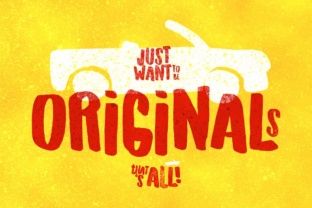
Sometimes, the digital world feels a little too perfect. We spend hours aligning pixels, smoothing curves, and ensuring every line is mathematically precise. While there is nothing wrong with clean, corporate aesthetics, there are moments in design where you need something that feels a bit more human. You need a typeface that looks like it was sketched in a notebook during a burst of inspiration, one that carries the warmth of a hand-written note but still possesses the structure required for professional work. This is exactly the space where the Originals typeface thrives. It is a hand-drawn display font designed to inject personality and playfulness into your projects without sacrificing legibility or style.
The Art of Hand-Drawn Typography
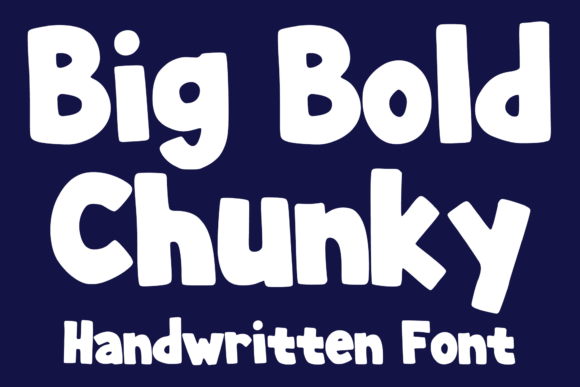
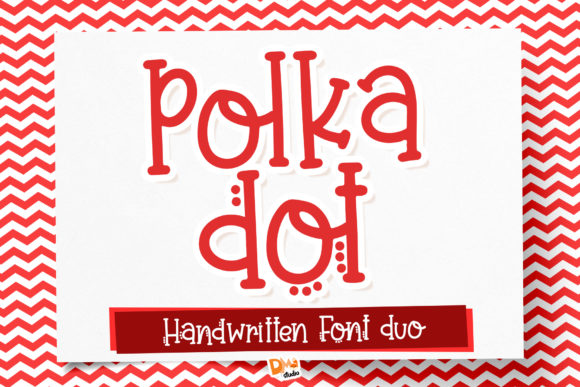
When we talk about a "hand-drawn" aesthetic, we aren't just talking about messy lines. The Originals typeface strikes a delicate balance between organic irregularity and intentional design. It mimics the natural variations you see in hand-lettering—the slight shifts in weight, the imperfect baseline, and the quirky terminals. These characteristics are what make it so visually appealing. It feels authentic. In an era where consumers are craving genuine connection and brands are trying to sound more human, a font like Originals acts as a visual shortcut to approachability.
From a visual communication standpoint, this style of creative font helps bridge the gap between a brand and its audience. It feels less like a corporate announcement and more like a conversation. If you have ever struggled to make a design feel "warm" or "inviting" using standard sans-serif fonts, a typeface with a hand-drawn personality is often the missing puzzle piece. It brings a tactile quality to the screen, reminding the viewer of paper and pen, which can be incredibly nostalgic and engaging.
Matching the Font to Your Brand Identity
Choosing the right typeface is a critical step in defining a brand identity. It is not just about what looks cool; it is about what communicates the right message. The Originals typeface works best for brands that want to be perceived as creative, friendly, relaxed, or artisanal. Think about the businesses you interact with that feel "cozy" or "boutique." Chances are, their typography leans toward softer, more illustrative styles rather than rigid, geometric shapes.
For small business owners and entrepreneurs, this font offers a fantastic opportunity to stand out. If you are selling handmade goods, running a bakery, managing a lifestyle blog, or offering creative services, your visual language needs to reflect that craftsmanship. Using a premium font like Originals for your logo design or wordmark instantly signals that your brand values creativity. It tells your customers that you pay attention to the details and that your brand has a distinct personality. It moves you away from looking like a generic template and toward a curated, professional presentation.
Practical Applications: From Screen to Print
One of the strengths of a versatile display font is its ability to adapt to different mediums. The Originals typeface is robust enough to handle a variety of creative applications, making it a valuable asset in any designer's toolkit.
Digital Presence and Social Media
In the fast-paced world of social media graphics, you have a fraction of a second to grab attention. A playful display font is perfect for Instagram posts, Pinterest pins, and Facebook headers. Because it is visually distinct, it can stop the scroll. Use it for quotes, call-to-action buttons, or highlight covers to create a cohesive and recognizable aesthetic across your platforms. For web design, while it might be too decorative for long paragraphs of body text, it shines in hero sections, landing page headlines, and menu navigation where you want to establish a mood immediately.
Packaging and Merchandise
If you are involved in packaging design, you know that the label is often the first point of physical contact with the customer. Originals is an excellent choice for product labels, especially for items like coffee, cosmetics, stationery, or apparel. Its handwritten nature suggests that the product inside is made with care. Furthermore, it translates beautifully onto merchandise. Imagine this typeface on tote bags, mugs, or t-shirts. It has that trendy, "graphic tee" quality that works well for print-on-demand businesses or physical inventory.
Editorial and Print Materials
Don't limit this font to just logos. In editorial design, such as magazines or book covers, a display typeface can break up the monotony of standard serif or sans-serif layouts. It creates a strong visual hierarchy, drawing the reader's eye to specific headlines or pull quotes. For invitations—whether for weddings, parties, or business events—Originals adds a personal touch that standard fonts simply cannot replicate. It makes the invitation feel special and bespoke.
Design Tips for Using Hand-Drawn Fonts
While a font like Originals is incredibly fun to use, there are a few practical considerations to keep in mind to ensure your designs remain professional and readable.
Prioritize Legibility: Hand-drawn fonts are display fonts, meaning they are intended for larger sizes. Avoid using Originals for small body copy or long sentences where the reader needs to scan quickly. If the text gets too small, the "hand-drawn" details can become muddy and hard to read. Stick to headlines, sub-headers, and short bursts of text where the letterforms can breathe.
Mastering Font Pairing: A playful font needs a grounding partner. Because Originals has a lot of personality, it pairs best with clean, neutral fonts. Think of a classic sans-serif like Helvetica, Arial, or a modern geometric sans-serif for your body text. This contrast allows the headline to pop without overwhelming the reader. The rule of thumb is usually: if one font is loud, the other should be quiet. This ensures visual consistency and prevents your design from looking chaotic.
Check Your Licensing: This is a crucial step that often gets overlooked by hobbyists and even some professionals. If you are using Originals for a client project, a logo that will be trademarked, or merchandise that you plan to sell, you must ensure you have the correct commercial license. Always review the font license details before finalizing a design. Respecting typeface licensing protects you legally and supports the designers who create these valuable assets.
Elevating Your Creative Toolkit
Investing in high-quality design assets is investing in your brand's future. While there are thousands of free fonts available online, a premium font often comes with better kerning (spacing between letters), more complete character sets, and multiple styles or weights. Check to see if the Originals typeface includes variations, such as bold or italic versions, or stylistic alternates that allow you to customize specific letters. These extra features can give you more flexibility and help you create a more unique look for your brand.
Ultimately, the goal of design is to communicate effectively. Whether you are a content creator looking to spice up your thumbnails, a marketer crafting a new campaign, or a designer building a brand from scratch, the typography you choose sets the tone. The Originals typeface offers a refreshing break from the rigid structures of modern typography. It invites a little bit of imperfection and a whole lot of personality into your work, helping you create designs that are not only seen but felt.