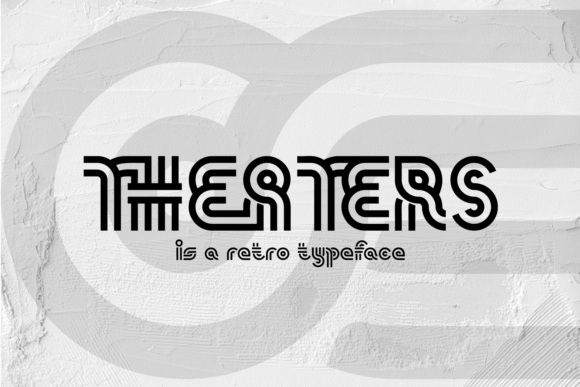
Space 1: A Futuristic Display Font for Bold Branding
Every great design starts with a vision, but translating that vision into something tangible often comes down to the details. If you've ever spent hours searching for a typeface that feels both innovative and clean, you know the struggle. You need something that captures attention without sacrificing legibility, something that feels forward-thinking but still grounded in professionalism. That's where Space 1 enters the conversation. It's not just another display font—it's a statement piece, crafted for projects that demand a futuristic edge while maintaining the clarity needed for effective communication.
Why a Futuristic Display Font Changes Everything
Think about the brands and media that resonate with you. Sci-fi movie posters, cutting-edge tech logos, athletic apparel branding—they all share a common thread: typography that communicates speed, innovation, and confidence. A display font like Space 1 isn't designed for body text in a novel; it's built for impact. Its geometric letterforms and clean lines evoke a sense of modernity, making it an ideal choice when you want your project to feel current, dynamic, and forward-looking.
What sets Space 1 apart from other premium fonts in its category is its versatility within that futuristic aesthetic. Some display fonts lean so heavily into stylization that they become difficult to read at smaller sizes. Space 1 strikes a balance—it has personality without sacrificing functionality. Whether you're designing a logo that needs to work on a business card and a billboard, or creating social media graphics that pop on a crowded feed, this typeface adapts to the context while maintaining its distinctive character.
Real-World Applications for Designers and Creators
Let's get practical. You're probably reading this because you have a project in mind—maybe you're a small business owner refreshing your brand identity, a content creator building a YouTube channel, or a graphic designer working on client deliverables. Here's how a font like Space 1 can serve those real-world needs:
- Logo design: A logo sets the tone for everything else. Space 1's clean geometry works beautifully for tech startups, fitness brands, gaming companies, and entertainment ventures. Its letterforms are distinct enough to be memorable but structured enough to reproduce well across different media.
- Packaging design: If you're creating product packaging—whether for a new energy drink, a line of wireless earbuds, or a subscription box service—the right typography instantly communicates your brand's positioning. A futuristic display font signals innovation and quality.
- Social media graphics: Platforms like Instagram, TikTok, and Pinterest are visual battlegrounds. Bold typography grabs attention in the split second users spend deciding whether to stop scrolling. Space 1's strong presence makes it effective for quote graphics, promotional posts, and story highlights.
- Website headers and hero sections: While you wouldn't use a display font for paragraph text, it's perfect for web design elements like homepage headlines, section titles, and call-to-action banners. It creates visual hierarchy and draws the eye exactly where you want it.
- Merchandise and apparel: T-shirts, hoodies, hats, and stickers often rely on bold, simple typography. The futuristic style of Space 1 lends itself naturally to streetwear brands, esports merchandise, and event-specific apparel.
- Print materials: Posters, flyers, event invitations, and editorial layouts all benefit from a typeface that commands attention. Whether you're promoting a music festival, a tech conference, or a product launch, Space 1 gives your print collateral a polished, contemporary feel.
- Digital products: If you sell templates, planners, or digital downloads, incorporating a creative font like Space 1 into your designs can elevate the perceived value and help your products stand out in a crowded marketplace.
Building a Cohesive Brand Identity
One of the most overlooked aspects of brand identity is typographic consistency. It's easy to focus on your logo and color palette, but the fonts you use across your website, emails, social media, and packaging play an equally important role in how your audience perceives your brand. When typography is inconsistent—using a different style of font for every touchpoint—your brand feels disjointed and unprofessional.
Choosing a modern typography system that includes multiple weights and styles gives you flexibility without sacrificing cohesion. Before committing to any font, take time to review what's included in the package. Does it offer regular, bold, and italic versions? Are there alternate characters or stylistic sets? These details matter when you're building out a full brand system. A font family with variety lets you create hierarchy and emphasis while keeping everything visually unified.
Pairing Typography for Maximum Impact
No font exists in isolation. Even the most striking display font needs complementary typefaces to handle supporting text. This is where font pairing becomes essential. A common and effective approach is to pair a bold, stylized heading font with a clean sans serif font for body text. The contrast creates visual interest while ensuring readability across different formats.
For example, if you're designing a website, you might use Space 1 for your main headlines, paired with a neutral sans serif like Inter or Open Sans for paragraphs and navigation. If you're working on an editorial design project—say, a magazine layout or a lookbook—you might combine it with a serif font for a sophisticated contrast that feels both modern and editorial. The key is to test your pairings in context. Don't just look at fonts side by side on a design tool—mock them up in the actual application. See how they look on a phone screen, in a printed brochure, or on a product label.
Readability and Practical Considerations
It's worth emphasizing: a display font is not a substitute for body copy typography. Space 1 is designed to shine at larger sizes—think headlines, titles, logos, and hero text. Using it for long paragraphs or fine print would compromise readability, which undermines the very purpose of good design. Understanding this distinction is what separates thoughtful design from trendy but ineffective typography.
When working with any commercial font, always review the licensing terms. If you're using the font for client work, merchandise, or digital products you intend to sell, make sure the license covers commercial use. Many premium fonts come with different licensing tiers—personal, commercial, and extended—so it's important to choose the one that matches your intended use. This protects both you and the type designer who created the work.
Making the Right Choice for Your Project
Choosing a font is ultimately about alignment. Does the typeface match the personality of your project? Does it communicate the right emotions to your target audience? A futuristic display font like Space 1 works beautifully for brands and projects that want to convey innovation, energy, and forward momentum. It's less suited for projects that require a traditional, handcrafted, or formal aesthetic—and that's perfectly fine. No single font is right for every project.
Before you finalize your choice, gather feedback. Show your designs to people in your target audience. Ask them what feelings the typography evokes. Does it feel trustworthy? Exciting? Premium? Accessible? These subjective impressions are valuable data points that help you refine your visual communication strategy.
The fonts you choose are more than decorative elements—they're tools for storytelling. When you select a typeface that aligns with your brand's voice and your audience's expectations, you create designs that don't just look good but actually work. And in a world where attention is the scarcest resource, that kind of intentional design is what sets great projects apart from forgettable ones.